Swiss Franc price today
Swiss Franc· in Toman
Swiss Franc chart
Teagle Eye analysis
Trend, support and resistance, scenarios and «don't trade» conditions, from real candles
Not enough data to analyse this symbol right now; check back a little later.
Users' discussion about Swiss Franc
Do you think Swiss Franc goes up or down today?
Teagle's news and analyses about Swiss Franc
All news ›- تقویت فرانک سوئیس در پی تضعیف دلار آمریکا و فشار تورمی
- فرانک سوئیس: حمایت از فرانک با ریسک موضع سختگیرانه بانک ملی سوئیس – ING
- فرانک سوئیس به اوج هفتهفتهای تازه رسید؛ تورم فراتر از انتظار افزایش یافت
- فرانک سوئیس از رشد خود عقب مینشیند؛ نفت گران جایگاه پناهگاه امن آن را تضعیف میکند
- عقبنشینی فرانک سوئیس با چرخش بازارها به سمت تصمیم نرخ بهره فدرال رزرو
- پیشبینی قیمت دلار/فرانک سوئیس: خریداران از میانگین متحرک 50 روزه نزدیک 0.8200 دفاع میکنند

Similar symbols in Currencies
The complete guide to Swiss Franc
The Swiss franc price usually sits among the expensive currencies in Tehran's exchange rate table; it is a currency known worldwide for stability, low inflation and its role as a "safe haven" in crises. On this page you can see the live price of the Swiss franc in Tehran's open market in Toman, and below we explain why this currency holds a special place in global markets, how the Swiss central bank deals with the franc's strength, and what factors affect its Toman rate.
The Swiss franc: Europe's safe currency
The Swiss franc (CHF) is the official currency of Switzerland and Liechtenstein, and each franc is divided into 100 rappen (or centimes). The code CHF comes from Switzerland's Latin name, "Confoederatio Helvetica". Traders also call it the "Swissie". Swiss monetary policy is set by the Swiss National Bank (SNB) , which began operating in 1907.
Although Switzerland sits in the heart of Europe, it is not a member of the European Union and has not adopted the euro. Long-standing political neutrality, a powerful banking system, low public debt and low inflation have made the franc one of the world's most trusted currencies. The Swiss 1000-franc banknote is also one of the highest-value banknotes in circulation worldwide.
Why is the franc a "safe haven"?
During periods of financial crisis, war or fear in the markets, investors move toward assets whose value is less at risk. The Swiss franc, alongside gold and the Japanese yen, is one of the main destinations of this "flight to safety". As a result, the franc often strengthens on days of global tension, exactly when riskier currencies such as the Australian dollar weaken.
This trait is not always welcome for Switzerland's export-driven economy; an overly strong franc makes Swiss goods expensive for foreign buyers. That is why the Swiss National Bank has a long history of intervening to curb the franc's strength.
The Swiss National Bank and the EUR/CHF floor
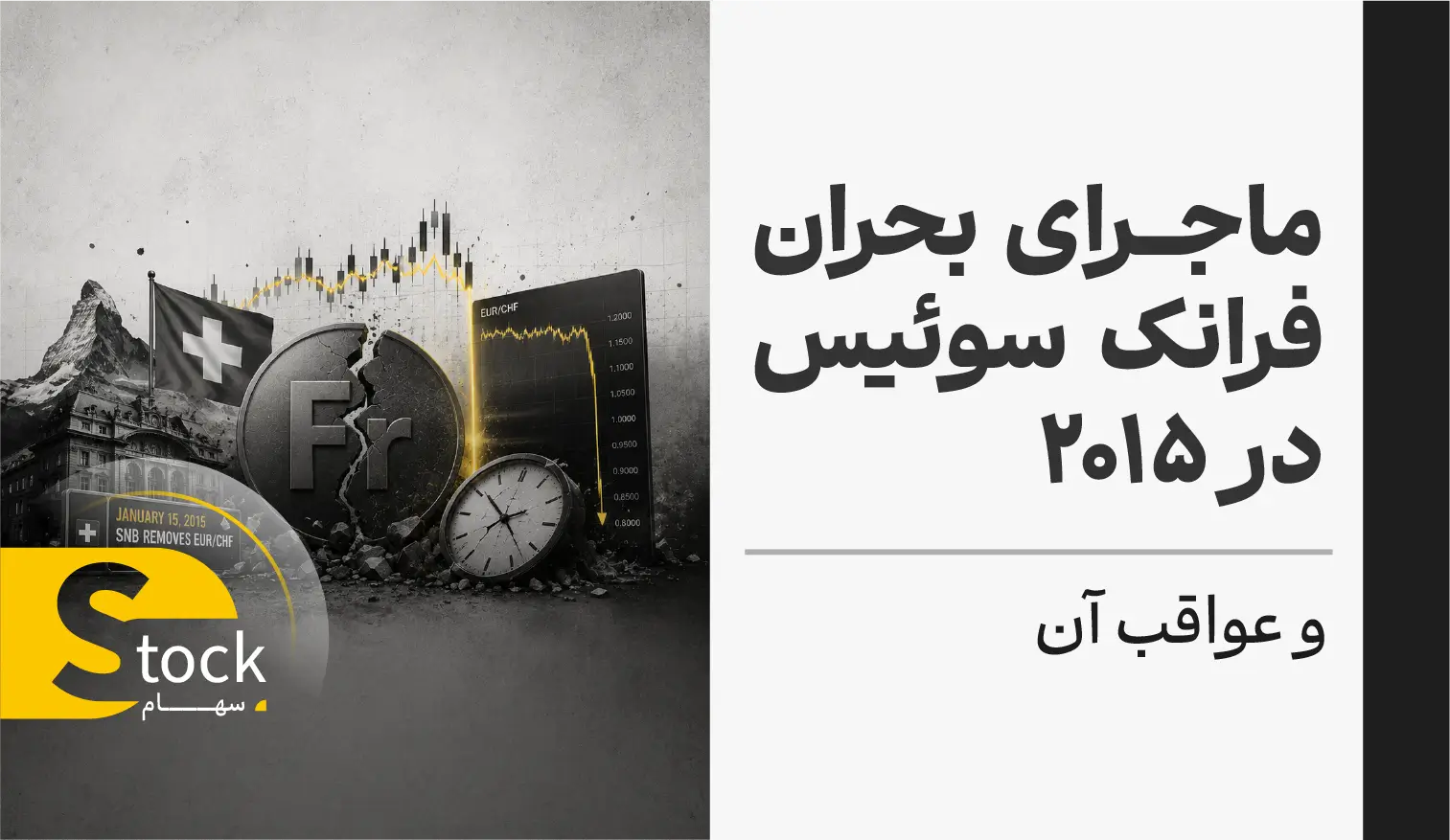
One of the most famous events in forex market history involves the franc. In 2011, at the height of the eurozone debt crisis, the Swiss National Bank, to prevent the franc from strengthening too much, announced that it would not allow the euro to franc rate (EUR/CHF) to fall below 1.20, and to defend this level it bought foreign currency in very large volumes.
On 15 January 2015, the bank suddenly and without prior warning abandoned this policy. The franc surged extremely sharply within minutes, some forex brokers suffered heavy losses and many traders' accounts went negative. This event is still the classic example of "gap risk" and of the importance of risk management in leveraged trading.
The Swiss National Bank also ran negative interest rates from 2015 to 2022; meaning banks paid a fee to keep part of their reserves at the central bank. See current rates on the global interest rates page.
How is the franc's Toman rate formed?
The price of the franc in Tehran is roughly equal to the price of the open-market dollar divided by the global rate of the US dollar to Swiss franc (USD/CHF). In this currency pair the dollar is the base currency; when the USD/CHF figure falls, it means the franc has strengthened, and as a result its Toman rate rises.
| Situation | Typical effect on the franc's Toman price |
|---|---|
| Rise in the open-market dollar in Tehran | Rise in the same direction |
| Global crisis and flight to safe assets | Franc strengthens globally and becomes more expensive in Tehran |
| Swiss National Bank intervention to weaken the franc | Downward pressure on the franc |
| Shortage of banknote supply at exchange shops | Wider gap between buy and sell rates |
The franc-to-dollar ratio is not fixed over time; that is why the franc's Toman rate sometimes moves ahead of and sometimes behind the open-market dollar. This gap can change noticeably, especially during global crises, when the franc, as a safe currency, sees more demand. So to understand the franc's moves in Tehran, always look at both components together: the open-market dollar rate and the global USD/CHF rate. To see this behavior, compare the candlestick chart at the top of the page with the dollar chart on longer timeframes.
Factors affecting the franc price
1. Domestic factors in Iran
Inflation, sanctions, foreign currency income and political news determine the rial's value against all currencies and make up the main part of the franc's long-term trend in Tehran.
2. Global risks
Geopolitical tensions, banking crises and sharp stock market declines usually raise demand for the franc.
3. Swiss National Bank policy and the European economy
Since a large share of Switzerland's trade is with the eurozone, the state of the euro and the decisions of the European Central Bank also affect the franc. The Swiss National Bank meets less often than many central banks, and its unexpected decisions can cause significant volatility. Follow the dates of these meetings in the Teagle economic calendar .
The franc for Iranians
Compared with the dollar, the euro and the dirham, the franc has a small share of Tehran's currency market. Demand for it comes mostly from travel to Switzerland, the cost of study or medical treatment there, and specific payments. Since 1980 Switzerland has been the protecting power of US interests in Iran, and its embassy in Tehran carries out this role. A few points when buying francs:
- Shallow market: The supply of franc banknotes at exchange shops is limited, and its buy-sell spread is usually wider than that of heavily traded currencies.
- Double risk: Holding francs instead of dollars means accepting the risk of the franc fluctuating against the dollar, in addition to the rial risk.
- Price unit: The rates on this page are in Toman, and each Toman is ten rials.
- Licensed exchange shop: Buying and selling currency is subject to the regulations of the Central Bank of Iran.
The franc alongside other markets
To better understand the franc's behavior, compare it with other safe assets: The global gold price (ounce) and the Japanese yen price also draw attention in crises. Franc currency pairs are also traded at forex brokers, but the 2015 episode showed that even "calm" currencies can suddenly spike; before taking any action, read the forex broker reviews . The list of all rates is available in the Iran market currency section .
The information on this page is for information only and is not a recommendation to buy or sell. Prices are taken from the stated sources and may differ slightly from the rate at your local exchange shop.
FAQ about Swiss Franc
Prices and charts come from Bitycle and the chosen source and are for information only, not trading advice.