What Are Derivatives and How Do They Reduce Investment Risk?

Author
Admin
Published
 2026/04/12
Updated
2026/10/25
Reading time
5 دقیقه


Listen to the audio version of this article here.
In financial markets, taking risk has always been one of investors' main concerns. Fluctuations in the prices of stocks, currencies, commodities and even interest rates can turn a profitable investment decision into a loss in a short time. That is why tools and methods have been designed whose goal is not to eliminate risk entirely, but rather to manage and control investment risk . One of the most important and specialized of these methods is the use of derivatives.
Put simply, derivatives are financial contracts whose value is derived from another asset, and they allow investors to insure themselves against adverse market fluctuations. Recently, derivatives have gained a more important place not only in global markets but also in the Iranian stock market, and many professional market participants use them to reduce the risk of their portfolios .
In this article, we have tried to cover all topics thoroughly and comprehensively, such as what derivatives are, what types of derivatives exist, and how derivatives are priced, and most importantly, how these instruments help reduce investment risk.
Definition of derivatives in simple terms
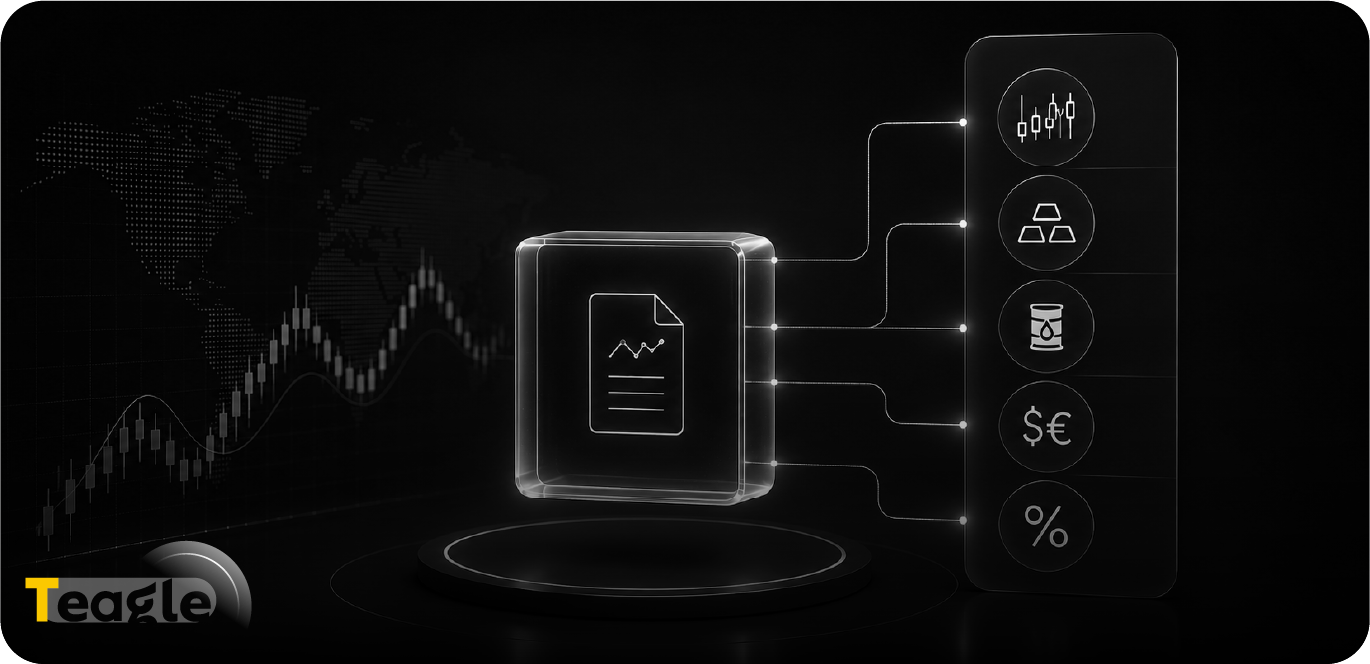
A derivative is a type of financial contract whose value depends on the value of an underlying asset. This underlying asset can be stocks, a stock index, commodities such as gold and oil, a currency or even an interest rate. Simply put, when a user trades a derivative, they do not buy or sell the underlying asset itself, but rather trade a contract whose price is influenced by the underlying asset.
From an investment perspective, a derivative refers to an instrument or instruments designed for hedging, speculation or profiting from price fluctuations. For example, a farmer who is worried about the price of their crop falling in the future can use a derivative to lock in the future selling price in advance. The same logic applies in the capital market, where investors can use derivatives to manage the risk of falling prices of their assets.
Derivatives have also gradually developed in the Iranian stock market, and today futures and options are active on assets such as gold coins , saffron and some stocks. This shows that useful derivatives have very practical applications not only for advanced global markets but also for Iranian investors.
The difference between derivatives and underlying assets
The main difference between derivatives and underlying assets lies in the nature of ownership. When someone buys shares of a company, they become the owner of part of that company and benefit from rights such as dividends. With a derivative, however, the investor does not own the underlying asset, but only holds a contract whose value is derived from the underlying asset.
On the other hand, derivatives usually have an expiry date, whereas many underlying assets have no such limitation. Also, because derivatives use leverage, they can multiply profits or losses, which makes them both high-risk and effective instruments.
Types of derivatives in financial markets
The range and variety of derivatives in financial markets is very wide, and each one is designed for a specific purpose. Knowing these instruments well helps investors make suitable choices in line with their risk tolerance and financial goals.
Futures contracts (Futures)
Futures contracts are among the best-known types of derivatives. In these contracts, two parties agree to trade a specific asset at a set time and at a predetermined price. This instrument is widely used for hedging against fluctuations in the prices of commodities, currencies and even stock indices.
In the Iranian stock market, futures contracts are active on commodities such as gold coins and saffron, and investors can use them to protect themselves against sharp price fluctuations.
Options contracts (Options)
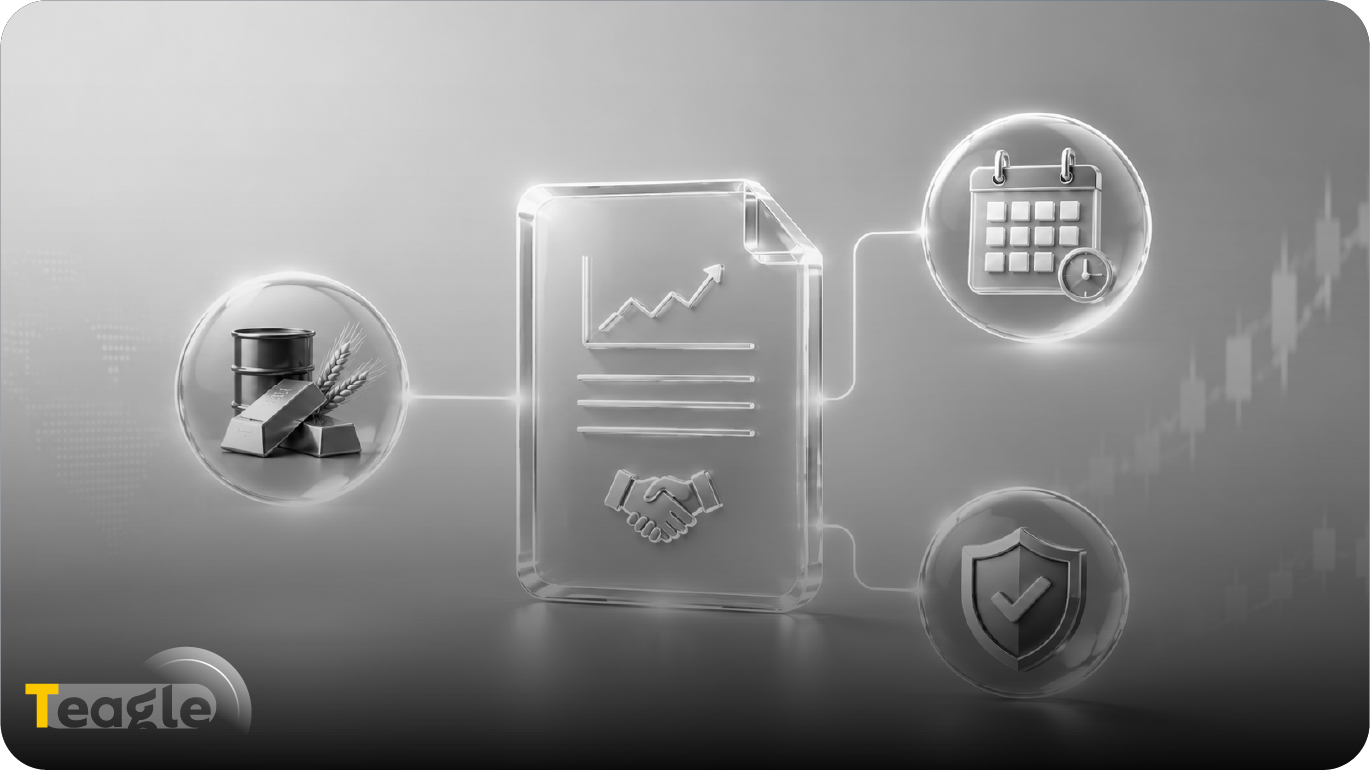
An option is a type of derivative that gives the buyer the right, but not the obligation, to buy or sell the underlying asset at a specified price by a certain date. This feature makes options one of the most popular derivatives for risk management .
In the Iranian stock exchange, options are active on some stocks and funds, and professional investors use them to insure their investment portfolios.
Swap contracts (Swaps)
Swap contracts are mostly used in international markets and by institutions. With this instrument, two parties exchange their cash flows or financial obligations with each other. Managing interest rate and currency risk is one of the most important uses of this type of derivative.
Contracts for Difference CFD
The CFD , or contract for difference, is an instrument mostly used in international markets and on online trading platforms. In these contracts, the trader makes a profit or loss from the difference between the entry and exit prices, without owning the underlying asset.
How are derivatives priced?
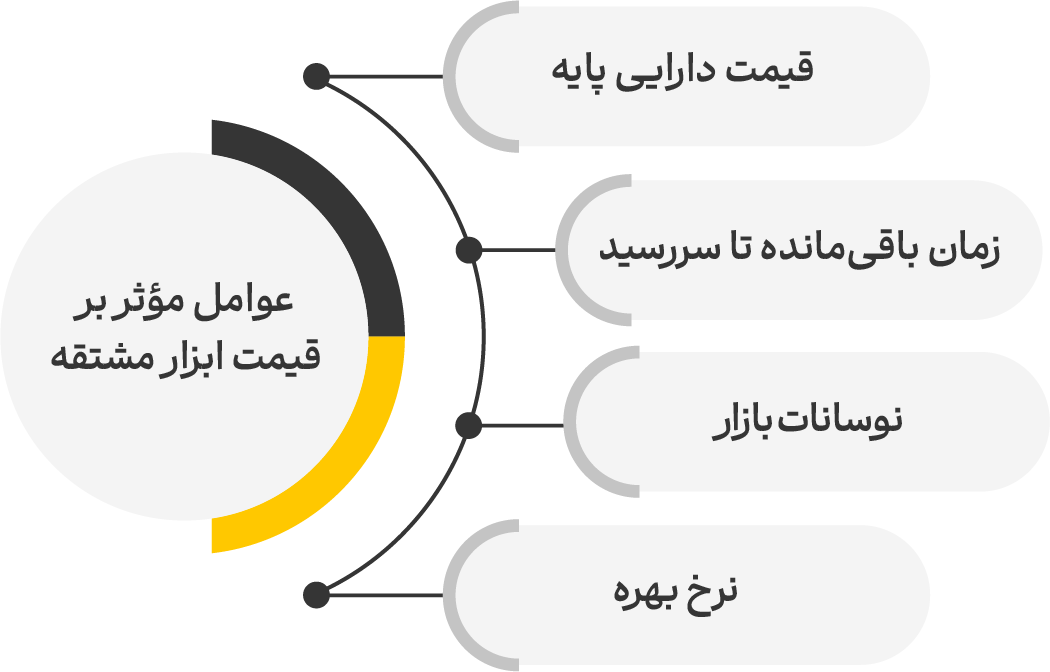
Pricing derivatives is one of the most important and complex topics in financial markets. The value of a derivative depends on several factors, such as the price of the underlying asset, the time remaining until expiry, market volatility and interest rates.
For options, models such as Black-Scholes are used to calculate the fair value of the contract. In futures contracts, the price of the derivative is usually determined based on the spot price of the underlying asset and its cost of carry.
Advantages and disadvantages of using derivatives
Using derivatives correctly can play an important role in risk management, but using them incorrectly will lead to heavy losses. The main advantage of derivatives is the ability to hedge risk and increase investment flexibility.
On the other hand, factors such as structural complexity, the need for specialized knowledge and the use of leverage are among the disadvantages of derivatives. For this reason, these instruments are mostly recommended for professional investors.
How do derivatives help reduce investment risk?
Hedging against price fluctuations
By using derivatives, an investor can lock in the future buying or selling price of an asset and stay protected from sharp market fluctuations.
Managing interest rate, currency and commodity risk
Derivatives play an important role in managing macroeconomic risks, such as changes in exchange rates and interest rates, and are widely used in global markets.
The role of derivatives in insuring an investment portfolio
Investors can use options to insure their investment portfolio against falling prices without having to sell their underlying assets.
Getting a commodity derivatives trading code
To trade in the commodity derivatives market, obtaining a special trading code through licensed brokerages is mandatory. This code allows you to operate legally in the derivatives market.
Frequently asked questions about derivatives
Are derivatives active in the Iranian stock market?
Yes, derivatives are active in the Iranian stock market, and futures and options are traded on specific assets.
What are the risks of the derivatives market?
The main risk of the derivatives market is the improper use of leverage and not fully understanding how these instruments work.
What factors affect the value and price of a derivative?
The price of the underlying asset, market volatility, the expiry date and interest rates are among the most important factors affecting the value of a derivative.
Conclusion
As one of the most important innovations of financial markets, derivatives play a key role in reducing investment risk. By enabling hedging, managing volatility and insuring investment portfolios, these instruments help investors make more rational and professional decisions. However, using derivatives requires knowledge, experience and a precise understanding of how the market works, and without sufficient training it can lead to serious losses.
If you plan to use derivatives in the Iranian stock market, it is recommended that you first get trained, become familiar with the concepts of derivatives pricing, and enter this market in line with your risk tolerance. Knowledge is your most important capital in financial markets.
Contents of this article


Related articles

User reviews

Newest
 Upload image